
Mold Removal Seattle
Mold spreading across a wall, ceiling or closet? A local contractor seals the room and removes it without spreading spores.
Call (253) 499-7702- Rest of the house sealed off
- Damaged drywall bagged and hauled out
- Ends with drying, not just wiping
Mold Removal Services: Small Patches to Whole Rooms
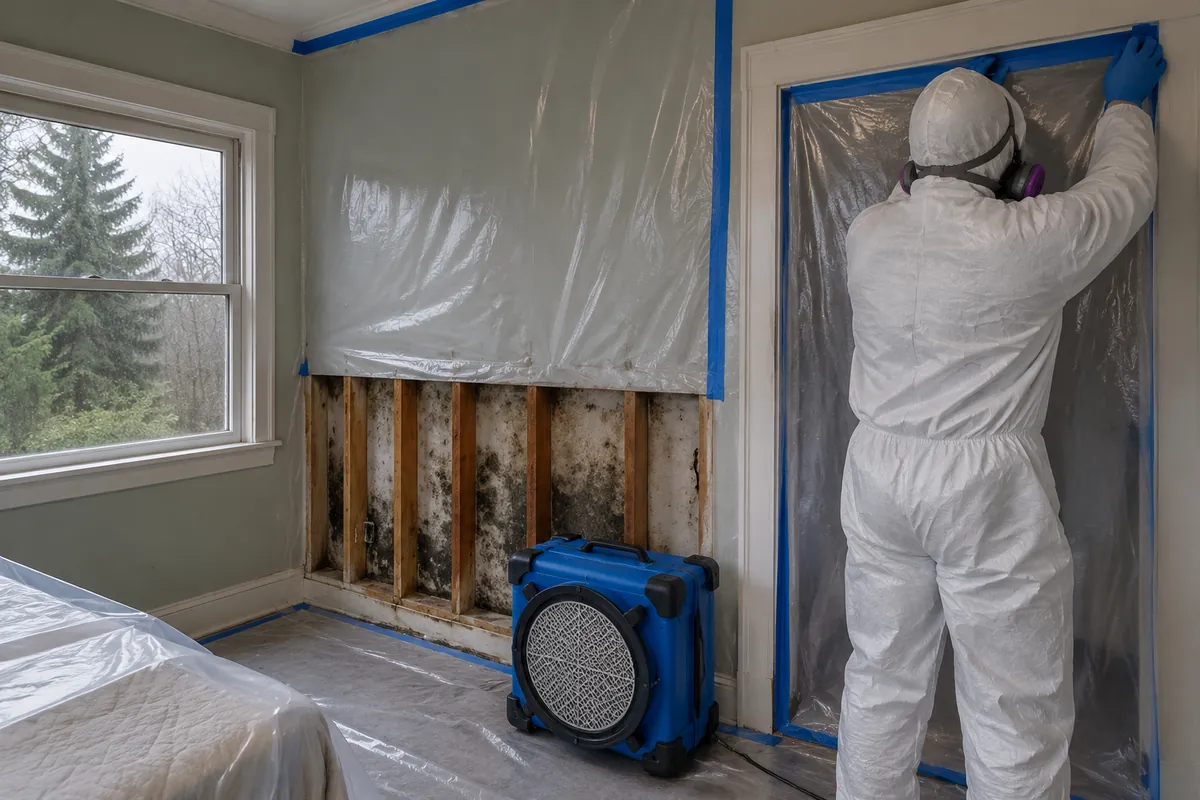
Mold removal services take out the growth and the materials it has rooted into, then clean and dry what stays. For mold removal in Seattle, WA homes, that might be one corner of a bathroom ceiling or a whole basement wall.
The contractor seals the area with plastic, runs a HEPA air scrubber, cuts out ruined drywall or insulation, and HEPA-vacuums the framing. Black mold removal follows the same steps.
If you're not sure where to start, the mold abatement Seattle page explains each service.
Where It Hides Behind Walls and Under Floors
What you see is often the edge of the problem. These are the spots that get opened up most:
- Behind a shower wall or under a tub, where grout and caulk let water through
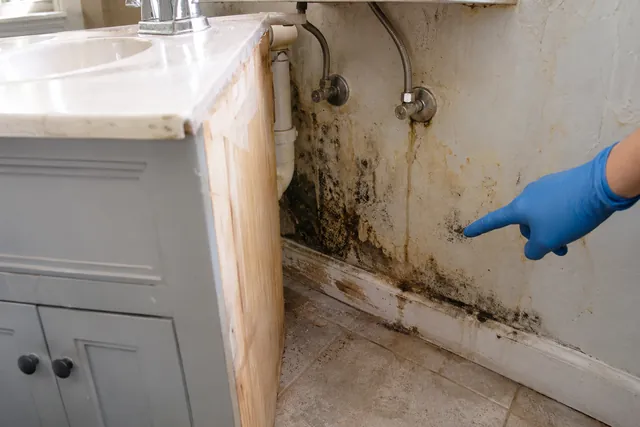
- Under sinks and dishwashers with slow drips
- Around window frames that take on rain
- Closets on outside walls, where cold surfaces gather condensation
- Under carpet and pad after a leak or overflow
Mold Cleanup: What Gets Bagged, Wiped and Dried
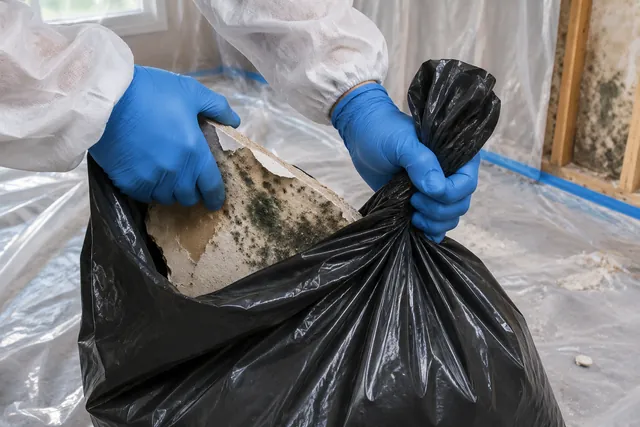
Mold cleanup sorts every material into one of two groups. Porous materials, like drywall, ceiling tiles, insulation and carpet pad, are usually removed because mold grows into them. Hard surfaces, like studs, metal and tile, are HEPA-vacuumed and wiped.
- Seal the area and start the air scrubber.
- Cut out and bag the porous materials.
- HEPA-vacuum and wipe the framing and hard surfaces.
- Dry the area and take moisture readings.
- Take the plastic down once the area checks out.
Patch getting bigger? Call before more drywall has to go.
Call (253) 499-7702What's the Price to Remove Mold?
The price to remove mold usually runs $1,500 to $9,000, and a small bathroom job often costs $500 to $1,500. These are typical national figures from Fixr, not a quote.
- Size: Fixr puts most work at $10 to $30 per square foot.
- Access: an attic typically runs $1,500 to $9,000, a crawl space $500 to $2,000.
- What comes out: work inside walls typically runs $1,000 to $12,000.
Repairs after removal, like new drywall and paint, may be priced separately.
Keeping It From Growing Back
Most of the rain in Seattle, Washington falls between October and March, and November through January alone bring roughly half of the year's total. A leak that starts in late fall can stay wet for months, so new growth often shows up by spring if the source isn't fixed.
Under half of the city's homes are detached houses (44.6% in Census figures). In condos and apartments, a shared wall or the unit above can be the real source, so the building owner or HOA may need to repair it.
- Fix the leak or the condensation before rebuilding.
- Keep indoor humidity between 30% and 50%, as EPA advises.
- Run bathroom fans during showers and for a while after.
Before You Scrub or Spray
Hold off on painting, caulking or dry-brushing the spots. EPA guidance says not to paint or caulk moldy surfaces, and scrubbing dry growth can send spores into the air.
- Never mix bleach with ammonia or other cleaners; EPA warns the fumes are toxic.
- Take photos before anything is touched, for insurance or a landlord.
- Keep kids and pets out of the room and close the door.
Questions About the Work
How long does mold removal take?
Small jobs, like one bathroom wall, often take a day or two. Larger areas take longer once drying time and moisture checks are added.
Can I just paint over it?
No. EPA guidance says not to paint or caulk moldy surfaces; clean and dry them first, because paint over mold is likely to peel.
What happens to the moldy drywall?
It's cut out inside the sealed area, bagged in heavy plastic and carried out so dust doesn't spread through the house.
Does homeowners insurance pay for mold removal?
It depends on your policy and the cause. Sudden leaks are treated differently from slow ones, so check with your insurer and keep photos of the damage.
Do you work in Seattle?
Yes. Call (253) 499-7702 and enter your ZIP code when asked to reach a local contractor.
Seeing Spots Spread Again?
Call to talk with a local contractor about removing it and drying the area properly.
Call (253) 499-7702