
Mold Inspections Seattle
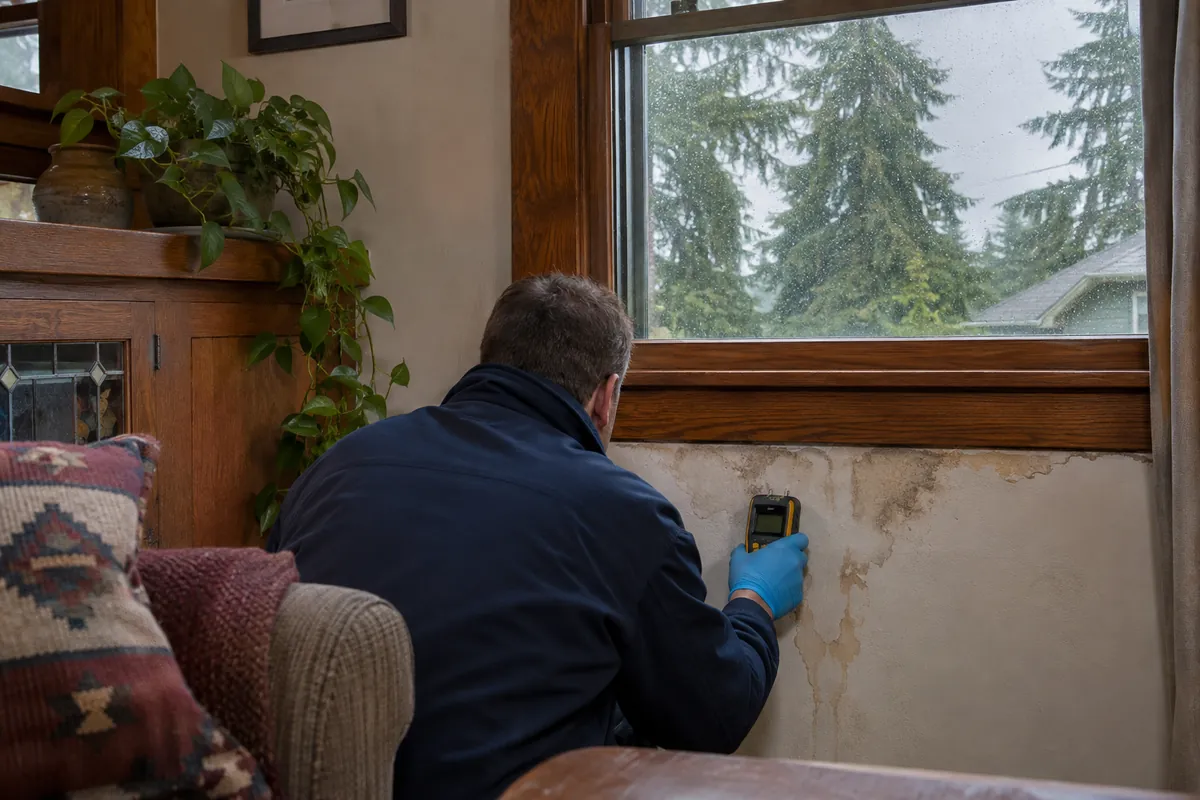
Musty smell but nothing you can see? An inspection finds where moisture is hiding before anyone opens a wall.
Call (253) 499-7702- Moisture meter and thermal camera checks
- Findings explained room by room
- No obligation to hire
Mold Inspection: What the Visit Covers
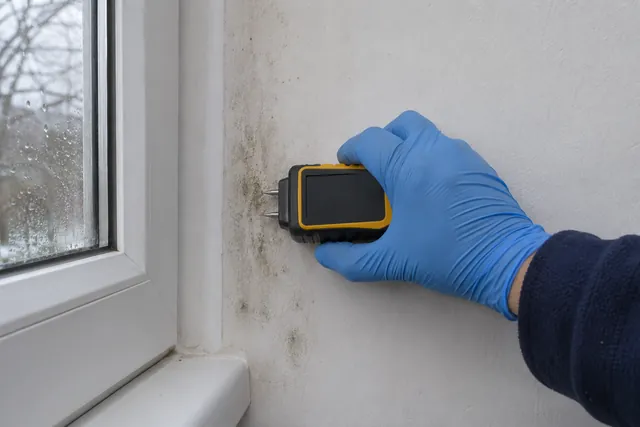
A mold inspection looks for growth and the moisture causing it, including in places you can't see. A mold inspector in Seattle, WA will usually walk the house, check walls and ceilings with a moisture meter, and look at the spots where water collects.
- Visual check of every room, the attic and crawl space where reachable
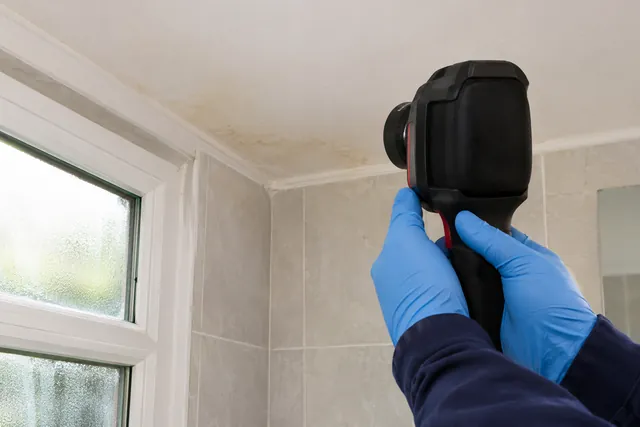
- Moisture meter and thermal camera readings on suspect walls
- Humidity readings in damp rooms
- Samples for a lab, when they'd answer a question
When It's Worth a Professional Look
Most households in Seattle, Washington rent: 56.3% according to Census figures. Washington's landlord-tenant law (RCW 59.18.060) requires landlords to give tenants the Department of Health's information on mold, and an inspection gives you something concrete to show the landlord.
- You smell mold but can't find it.
- You're buying a home or signing a lease.
- A leak was fixed and you want to know if it caused growth.
- Someone in the home is reacting and you want to rule mold in or out.
For removal and other services, start at the mold abatement services overview.
Mold Assessment: Reading Moisture, Not Just Spots
A mold assessment is about finding water, because mold follows it. Moisture meters show wet drywall and framing, and thermal cameras show cool, damp patches behind paint.
Samples aren't always needed. EPA guidance says that when mold is visible, sampling usually isn't necessary to plan cleanup. They're useful when growth is hidden or you need lab proof.
Buying or renting with a musty smell? Get it checked first.
Call (253) 499-7702What Does a Visit Cost?
A typical mold inspection costs $303 to $1,044, based on HomeAdvisor's national figures. Lab samples add to that:
| Item | Typical cost |
|---|---|
| Inspection | $303 – $1,044 |
| Air sample (lab) | $250 – $350 |
| Swab sample (lab) | $200 – $300 |
House size, the number of samples and access to attics and crawl spaces change the price.
Reading the Report
Most inspections end with a written summary. Look for these parts:
- Where moisture or growth was found, room by room
- Moisture readings and photos
- The likely water source
- Lab results, if samples were taken
- Recommended next steps, from a small cleanup to removal
Getting Ready for the Visit
- Clear access to the attic hatch, crawl space and under sinks.
- List any past leaks, floods or roof repairs you know about.
- Hold off on cleaning visible spots so they can be seen.
- Keep windows closed for a day before air sampling.
Questions People Ask Before Booking
How much does a mold inspection cost?
HomeAdvisor puts a typical inspection at $303 to $1,044. Lab samples add about $250 to $350 each for air and $200 to $300 for a swab.
How long does an inspection take?
A typical house takes a couple of hours on site. Lab results, if samples are taken, usually follow a few days later.
Will the inspector also do the removal?
Some companies do both. If you want an unbiased answer, you can ask for an inspector who doesn't do the removal work.
Should I get an inspection before buying a home?
If you smell mustiness, see stains or the home has had leaks, yes. It's cheaper to find hidden moisture before closing than after.
Do you work in Seattle?
Yes. Call (253) 499-7702 and enter your ZIP code when asked to reach a local contractor.
Musty Smell but Nothing You Can See?
Call to talk with a local contractor about checking for hidden moisture before it spreads.
Call (253) 499-7702