Seattle Mold Remediation
Mold keeps coming back after you clean it? Remediation removes the growth and tracks down the moisture feeding it.
Call (253) 499-7702- Moisture source traced, not just stains wiped
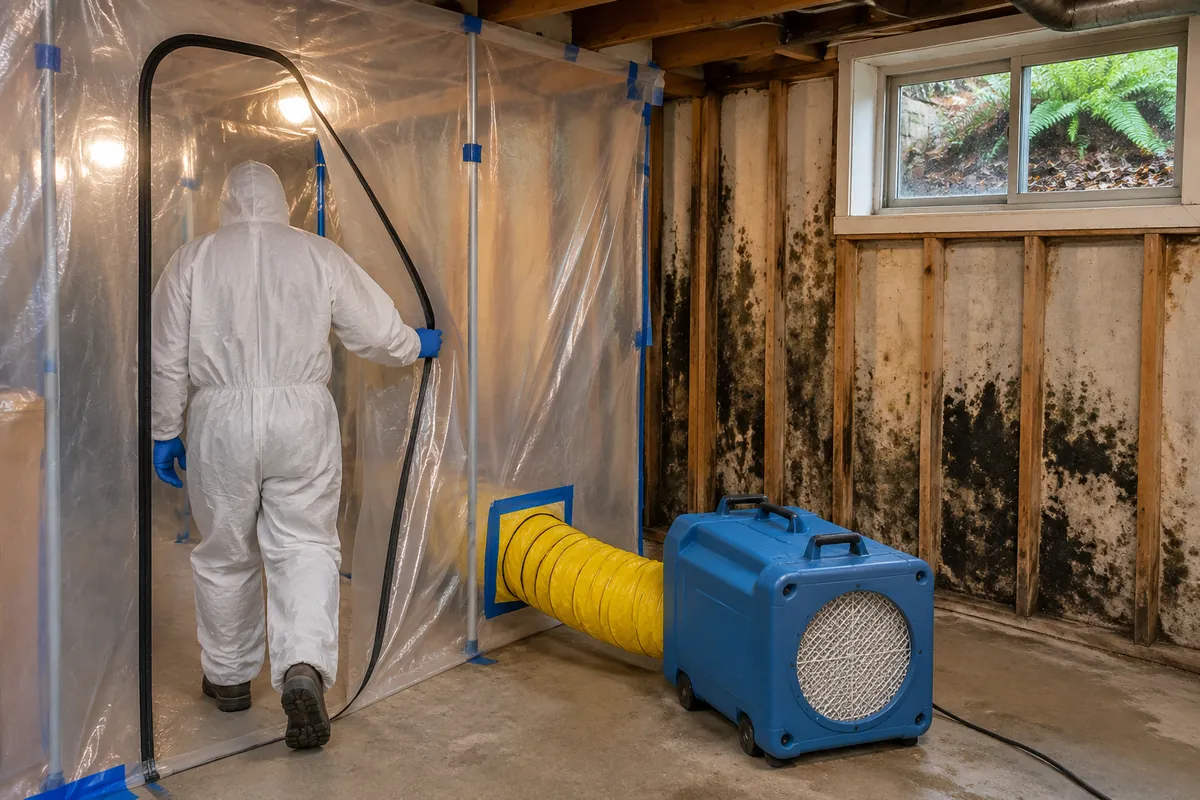
- Sealed work zone with HEPA air scrubbers
- No obligation to hire
Mold Remediation: Remove It and Fix the Cause
Mold remediation is the full job: contain the area, remove the growth and damaged materials, clean what stays, dry it, and find the leak or condensation behind it. It's what mold remediation in Seattle, WA homes usually needs when bleach and repainting haven't worked.
- Look for the source with moisture meters and a walk-through.
- Seal the area with plastic under negative air.
- Remove porous materials the mold has grown into.
- HEPA-vacuum and wipe the framing and hard surfaces.
- Dry the space and confirm moisture readings.
- Arrange a clearance check, often by an independent tester.
What Gets Cut Out and What Gets Cleaned
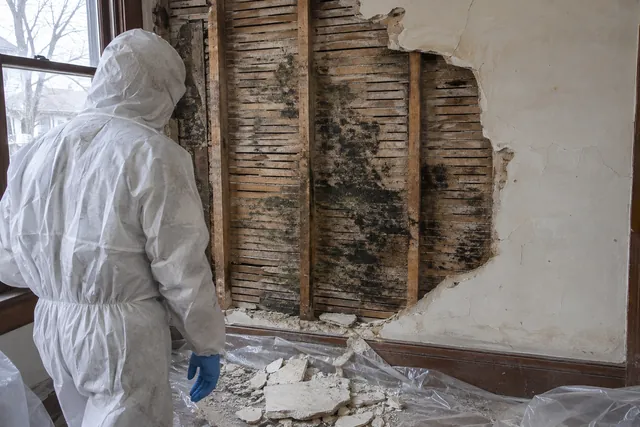
Anything soft that the mold has grown into usually goes: drywall, insulation, ceiling tiles and carpet pad. Studs, joists and other hard surfaces are usually cleaned and kept.
More than one in five homes in Seattle, Washington was built before 1940 (22.8%, Census ACS). In those houses a job can reach plaster, lath and old framing rather than modern drywall, which changes how much has to come out.
Older materials raise another question. Before most renovation work in King County, the Puget Sound Clean Air Agency requires an asbestos survey of the materials being disturbed. Ask the contractor whether one is needed before walls are opened.
Professional Mold Removal vs. a DIY Scrub
EPA guidance sets the cutoff at about 10 square feet. Below that, on hard surfaces, most homeowners can clean it with detergent and water. Above that, or after sewage or a lot of water, professional mold removal is the safer call.
- DIY fits: small spots on tile, glass or sealed wood
- Call a mold remediation specialist: growth inside walls, in insulation, or near heating ducts
- Call either way: mold that returns after two cleanings
For the bigger picture of what's covered, see the Seattle mold abatement overview.
Back again after bleach? Get the moisture source found.
Call (253) 499-7702How Much Does a Typical Job Run?
Most remediation jobs run $1,500 to $9,000, or about $10 to $30 per square foot. These are typical national figures from Fixr; the contractor prices your job on site.
| Area | Typical cost |
|---|---|
| Bathroom | $500 – $1,500 |
| Crawl space | $500 – $2,000 |
| Basement | $1,500 – $4,000 |
| Attic | $1,500 – $9,000 |
| Inside walls | $1,000 – $12,000 |
Rebuilding walls and finishes afterward may be quoted separately.
Attics, Crawl Spaces and Damp Corners
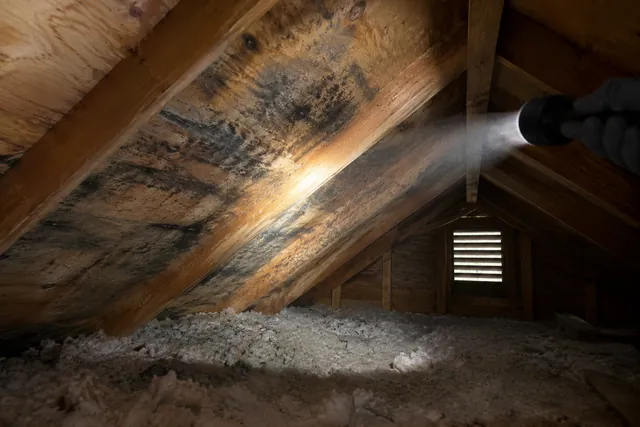
Attic mold remediation often traces back to a roof leak or a bathroom fan venting into the attic instead of outside. In crawl spaces, damp soil and blocked vents keep the air wet. Both are hard to reach, which is why they cost more.
- Attic: roof leaks, fans venting into the attic, blocked soffit vents
- Crawl space: wet soil, plumbing drips, missing vapor barrier
- Basement: seepage through walls and condensation on cold slabs
Before the Crew Arrives
- Clear furniture and stored items from around the area.
- Note when the leak started and anything already repaired.
- Take photos for insurance before anything is removed.
- Plan where pets and kids will stay while the work zone is sealed.
What Homeowners Ask First
What's the difference between remediation and removal?
Removal takes out the growth and damaged materials. Remediation adds finding and fixing the moisture behind it, then checking the area is dry and clean.
How much does mold remediation cost?
Typical jobs run $1,500 to $9,000, or about $10 to $30 per square foot, based on Fixr's national figures. Attics and work inside walls sit at the higher end.
Do I need an asbestos survey first?
Often. In King County, the Puget Sound Clean Air Agency requires an asbestos survey before most renovation work. Owners of owner-occupied single-family homes may do their own survey.
Who checks that the job is finished?
Many contractors suggest an independent tester for a clearance check, so the person signing off isn't the one who did the work.
Do you work in Seattle?
Yes. Call (253) 499-7702 and enter your ZIP code when asked to reach a local contractor.
Spots Coming Back After Cleaning?
Call to talk with a local contractor about finding the cause and removing it for good.
Call (253) 499-7702